Bananas are one of the most beloved fruits in the United States. With their affordable pricing, year-round availability, and numerous health benefits, it’s no wonder they are a staple in so many households. This versatile fruit can be enjoyed on its own or used in a variety of recipes, from sweet smoothies to cakes, breads and more. But it’s not just their taste that makes bananas so popular – they are packed with important nutrients like fiber, vitamins, and minerals that are essential for a healthy diet. In fact, according to The Packer’s Fresh Trends, bananas are the most commonly sold fruit in the United States1. In this blog post, we’ll explore the many reasons why bananas are such a nutritious and healthy food.
Despite its numerous health benefits, there have been various claims suggesting that bananas can cause weight gain and constipation, but this is a common misconception. Bananas are actually low in calories and high in fiber, which can aid in digestion and help to promote feelings of fullness. However, they are relatively high in carbohydrates and natural sugars, which can lead to weight gain if consumed in excess.
Improved digestion
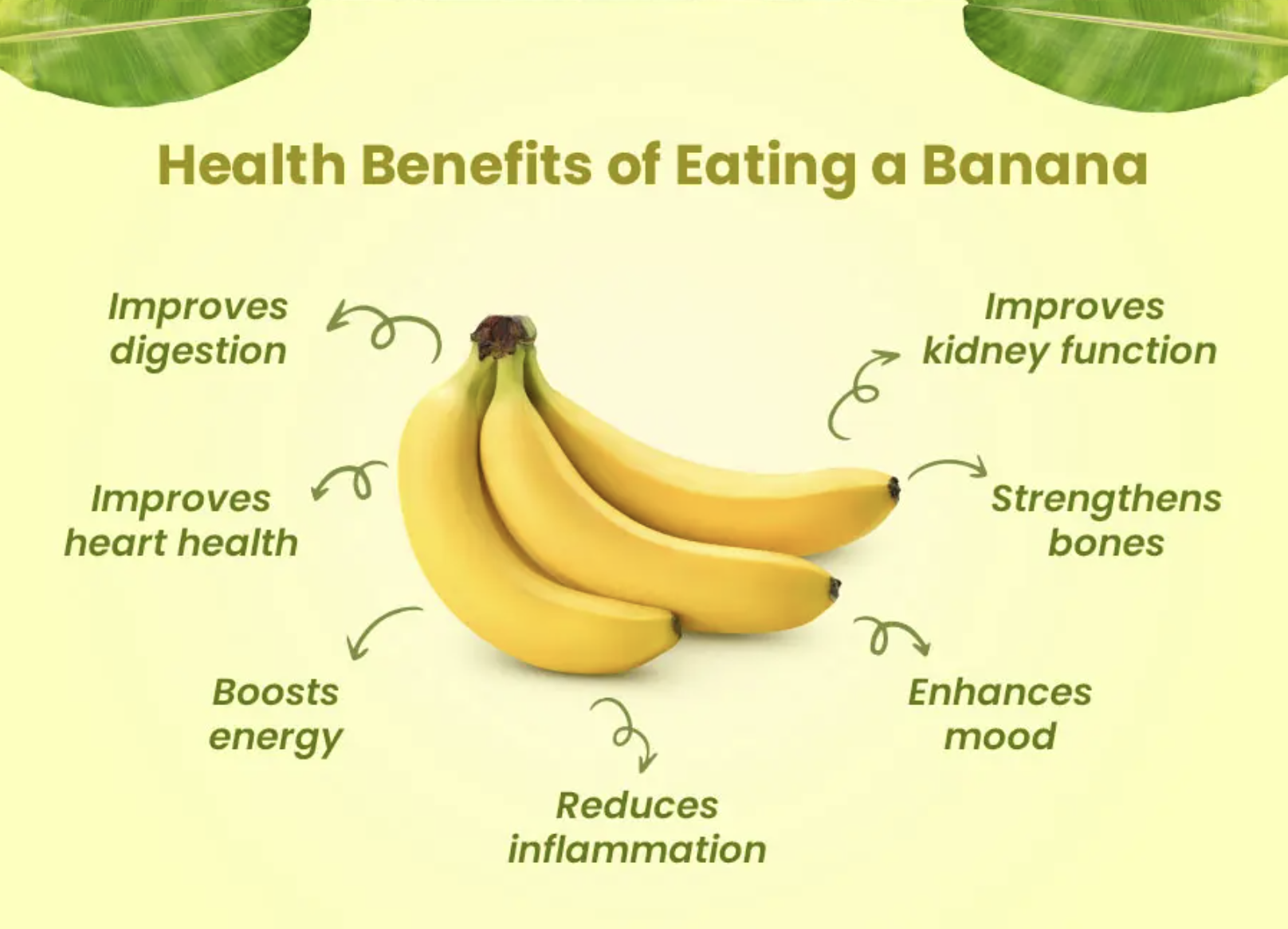
Bananas have an abundance of dietary fiber, which can help improve digestion and prevent constipation. Additionally, it contains certain enzymes like amylase that can be beneficial for people who have difficulty digesting carbohydrates, such as those with irritable bowel syndrome (IBS) or other digestive disorders. It also contains compounds like pectin, a type of soluble fiber that can help to reduce inflammation in the digestive system and alleviate symptoms of diarrhea.
Heart health
Bananas are often considered a heart-healthy food due to their high potassium content. Potassium is a mineral that helps to regulate fluid balance in the body, which in turn helps to maintain healthy blood pressure levels. In addition to potassium, it also contains Vitamin C, which has been shown to improve blood vessel function and reduce the risk of heart disease.
Energy boost
Carbohydrates are the body’s primary source of energy, and bananas are a particularly good source of this nutrient. Additionally, it contains vitamin B6 which is vital for the metabolism of carbohydrates and protein. It also contains fiber, which helps to slow down the digestion of carbohydrates and prevent blood sugar spikes. This, in turn, can help to provide sustained energy throughout the day.
Reduced inflammation
Bananas contain several compounds that have anti-inflammatory properties, including flavonoids and vitamin C. Flavonoids are plant-based compounds that help reduce the production of pro-inflammatory molecules in the body. It contains a flavonoid called quercetin, which has been shown to reduce inflammation both in human and animal models. Vitamin C is also known to have anti-inflammatory properties and can help to reduce oxidative stress in the body, which can contribute to inflammation.
Mood enhancement
Bananas contain tryptophan, an essential amino acid that helps in the production of serotonin. The B6 in it can also help in the production of several neurotransmitters, including dopamine and norepinephrine, the “feel-good” hormones that are important for regulating mood, motivation, and pleasure.
Improved kidney function
Bananas are rich in potassium and low in sodium. The high potassium content in bananas can help improve kidney function as it is easily absorbed by the body. They are also natural diuretics, which means they can help increase urine output4. This can be beneficial for individuals with kidney problems, as it can help flush out excess toxins and waste products from the body.
Bone health
Bananas contain manganese which plays a vital role in the development and maintenance of strong bones. It helps in the formation of connective tissues, which are crucial for the growth and repair of bones. Moreover, its high potassium content helps reduce calcium excretion and helps preserve calcium stores in the body.
Bananas are also fairly low on the glycemic index as the carbohydrates in them are considered to be a resistant starch which works similarly to dietary fiber, meaning it is not easily digested in the small intestine. As a result, it releases glucose into the bloodstream very slowly. This can help individuals feel more satiated without a sugar spike, thus making it an ideal snack for diabetics.
Conclusion
Bananas are an excellent addition to a healthy diet, providing a plethora of nutritional benefits. With only around 110 calories per serving, they are a great low-calorie snack that can provide an instant energy boost. Moreover, research shows that regularly eating a banana (8.9 grams per day) can help reduce the risk of developing breast cancer. In addition to their cancer-fighting properties, bananas are also rich in essential vitamins and minerals which can help maintain heart health, support immune function, and aid in the production of red blood cells. So, incorporating bananas into the daily diet is a simple and delicious way to reap all their goodness.
Visit the nearest EliteCare health and wellness center for personalized health and wellness advice. EliteCare is one of Florida’s best medical clinics, with a team of highly trained primary care physicians who offer services like venipuncture, women’s wellness exams, preventative care and more. Visit our website to schedule an appointment today.
11 Health Benefits of Sweet Potatoes (Shakarkandi) That Can Help You Manage Diabetes, Weight Gain & Inflammation Easily!
1. Manages Metabolic Disorders
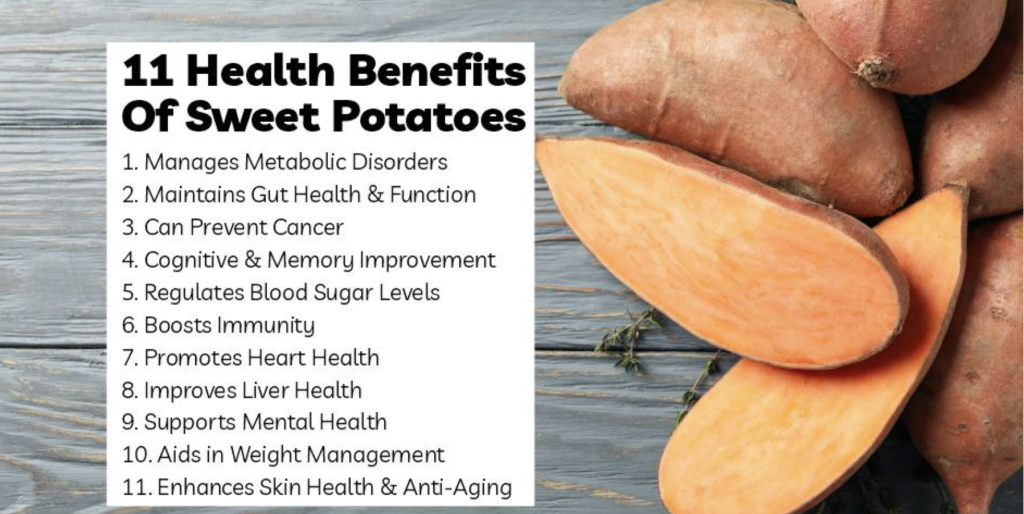
The humble sweet potato packs a quite punch when it comes to fighting disease in the body and keeping you healthy. Studies have shown that purple and orange-fleshed sweet potatoes are excellent sources of anthocyanins and carotenoids.
According to the research, these flavonoids help sidestep metabolic syndromes like obesity and diabetes by preventing the accumulation of fat in cells and balancing lipid levels in your blood.
Extracts from sweet potatoes have also been shown to improve insulin sensitivity, lower inflammation and oxidative stress, protect blood vessels from harm, and aid in weight control.
2. Maintains Gut Health and Function
Among the important health benefits of sweet potatoes is how it keeps a healthy gut by making sure the intestinal barrier function is maintained. This barrier is crucial because it prevents harmful substances from entering the bloodstream.
Being good food for gut health, they contain a compound called trifostigmanoside I (TS I), which plays a key role in this process. It activates the PKCα/β-ERK1/2 signalling pathway, which increases the production of mucin (MUC2)—a protective gel-like layer in the intestines.
Mucin protects the gut lining from bacteria and toxins while keeping digestion smooth. TS I also strengthens tight junctions, proteins that hold intestinal cells together, preventing leaks that could lead to inflammation and digestive disorders.
3. Can Prevent Cancer
Sweet potatoes contain powerful anti-cancer compounds, including anthocyanins, flavonoids, and polysaccharides. These compounds work by stopping cancer cells from growing, triggering programmed cell death (apoptosis), and reducing inflammation.
| Breast Cancer | Research shows that fermented sweet potatoes contain lipid-soluble polyphenols, which reduce oxidative stress in breast cancer cells. These compounds also block the PI3K-Akt pathway, a key signalling route that helps cancer cells survive and grow. Also, phytosterols like daucosterol linolenate (DLA) and sitosterol-d-glucoside (β-SDG) have been shown to suppress the growth of breast cancer tumours in mice. |
| Colon Cancer | Sweet potatoes contain polysaccharides and glycoproteins like SPG-8700, which induce apoptosis (controlled cell death) in colon cancer cells by regulating Bcl-2 and Bax genes. Another compound, sporamin, has been found to modify gene expression in colon cancer cells, helping maintain cell balance and repair DNA damage. Anthocyanin-rich sweet potatoes (clone P40) have also been shown to stop colon cancer cells from multiplying by inducing cell cycle arrest and apoptosis. |
| Other Cancers | Prostate and bladder cancers can be prevented by using sweet potato extracts.According to studies, sweet potato polyphenols can cause apoptosis and lower the viability of bladder cancer cells.Sweet potato extracts may also slow tumour growth and encourage cancer cell death, according to research on prostate cancer in animal models. |
4. Cognitive and Memory Improvement
Sweet potatoes are rich in caffeoylquinic acids and other polyphenols that shield brain cells and enhance memory. Experiments on aging mice have indicated that purple sweet potato extracts improve spatial learning and memory.
These actions are attributed to sweet potatoes’ health benefits in modulating synaptic proteins in the hippocampus and cerebral cortex—two brain regions involved in memory and learning. In addition, sweet potato extracts defend neurons from beta-amyloid plaque damage, which is associated with Alzheimer’s disease and dementia.
5. Regulates Blood Sugar Levels
Sweet potatoes are among the best foods with low glycemic index for diabetes. They prevent sugar spikes by releasing it to bloodstream gradually. They are therefore advantageous to diabetics.
It has been demonstrated that caiapo, a white sweet potato extract, improves insulin sensitivity in type 2 diabetes by lowering HbA1c and fasting blood glucose levels. This happens by increasing the absorption of glucose in muscle and fat cells by stimulating GLUT4.
Because it inhibits enzymes like alpha-glucosidase and alpha-amylase, the chlorogenic acid in sweet potatoes also slows down the digestion of carbohydrates and reduces blood sugar spikes after meals. Anthocyanins and flavonoids also protect pancreatic beta cells by reducing oxidative stress and inflammation maintaining regular insulin synthesis. These compounds combine to give sweet potatoes their anti-diabetic properties.
6. Boosts Immunity
Next on the list of health benefits of sweet potatoes is its ability to boost immunity. Beta-carotene, a precursor to vitamin A and an essential component of the immune system, is abundant in sweet potatoes. In order to prevent infections and preserve the integrity of the mucosal barriers in the digestive, urinary, and respiratory systems, vitamin A is crucial.
Beta-carotene is converted to retinoic acid, which activates T-helper cells (Th1 and Th2), improving immune response against pathogens. Purple sweet potato polysaccharides (PSPPs) enhance macrophage activity, increasing the production of nitric oxide (NO) and cytokines like IL-6 and TNF-α. These molecules help destroy harmful bacteria and viruses. Also, naturally occurring antioxidants like anthocyanins lower inflammation and shield immune cells from oxidative damage.
7. Promotes Heart Health
Sweet potatoes promote cardiovascular health in a number of important ways. Because of their high potassium content, which maintains electrolyte balance, relaxes blood vessels, and balances sodium levels, they aid in blood pressure regulation.
By binding to bile acids, the soluble fibre in sweet potatoes lowers cholesterol levels by preserving HDL (good cholesterol) and decreasing LDL (bad cholesterol). Furthermore, anthocyanins found in sweet potatoes—particularly purple ones—inhibit blood vessel inflammation, preventing atherosclerosis and lowering the risk of heart disease.
Last but not least, their high antioxidant content—which includes polyphenols and vitamin C—protects endothelial cells from harm by lowering oxidative stress on the heart and blood vessels.
Add ToneOp Care’s BP Care Combo to your daily routine for a clinically proven way to manage blood pressure, cholesterol, and weight. This 60-day combo helps prevent heart diseases and improves cardiac health, ensuring a healthier you with expert guidance every step of the way.
8. Improves Liver Health
Sweet potatoes support liver function and prevent damage because of their hepatoprotective properties. By preventing fat synthesis and encouraging fatty acid oxidation, their polyphenols help treat diseases like non-alcoholic fatty liver disease (NAFLD) by lowering the accumulation of liver fat.
Purple sweet potatoes contain anthocyanins, which shield liver cells from inflammation and oxidative stress by preventing pro-inflammatory cytokine release. Glutathione levels are also boosted by sweet potato extract, strengthening the detoxification and antioxidant mechanisms of the body. Research has proved that purple sweet potato extract lowers the levels of liver enzymes, indicative of better liver function in induced liver damage.
9. Supports Mental Health
Sweet potatoes improve cognitive function, reduce the risk of neurodegenerative diseases, and support mental well-being.
Complex carbohydrates in sweet potatoes provide a steady release of glucose, the brain’s primary energy source, preventing mental fatigue, brain fog and improving focus. Tryptophan, an amino acid in sweet potatoes, helps in serotonin production, which regulates mood and reduces symptoms of depression and anxiety.
10. Aids in Weight Management
Is sweet potato good for weight loss? Well, absolutely! They are nutrient-dense, keeping you full for longer while supporting metabolism and fat loss.
Resistant starch and dietary fibre slow down gastric emptying, prolonging satiety and reducing overall calorie intake. Sweet potatoes modulate gut microbiota by increasing the abundance of beneficial bacteria like Bifidobacteria and Akkermansia, which are linked to better metabolism and reduced fat storage.
Chlorogenic acid inhibits lipogenesis (fat formation) by downregulating fatty acid synthase (FAS), leading to reduced fat accumulation. Purple sweet potato anthocyanins activate AMP-activated protein kinase (AMPK), a key enzyme that stimulates fat breakdown (lipolysis) and energy expenditure. A low glycemic index (GI) prevents blood sugar spikes and crashes, reducing cravings and stabilising energy levels.
11. Enhances Skin Health & Anti-Aging
Sweet potatoes are among the best foods for healthy skin as they improve skin hydration, elasticity, and protect against UV damage. Beta-carotene converts to retinol (vitamin A), which promotes collagen production, keeping skin firm and reducing wrinkles. Vitamin C in sweet potatoes stimulates fibroblast activity, enhancing collagen synthesis and skin regeneration.
Anthocyanins inhibit matrix metalloproteinases (MMPs), enzymes that degrade collagen and cause premature ageing. Sweet potato polyphenols protect skin cells from UV-induced DNA damage, reducing sunburn and hyperpigmentation. Anti-inflammatory compounds suppress NF-κB signalling, reducing acne and skin inflammation.