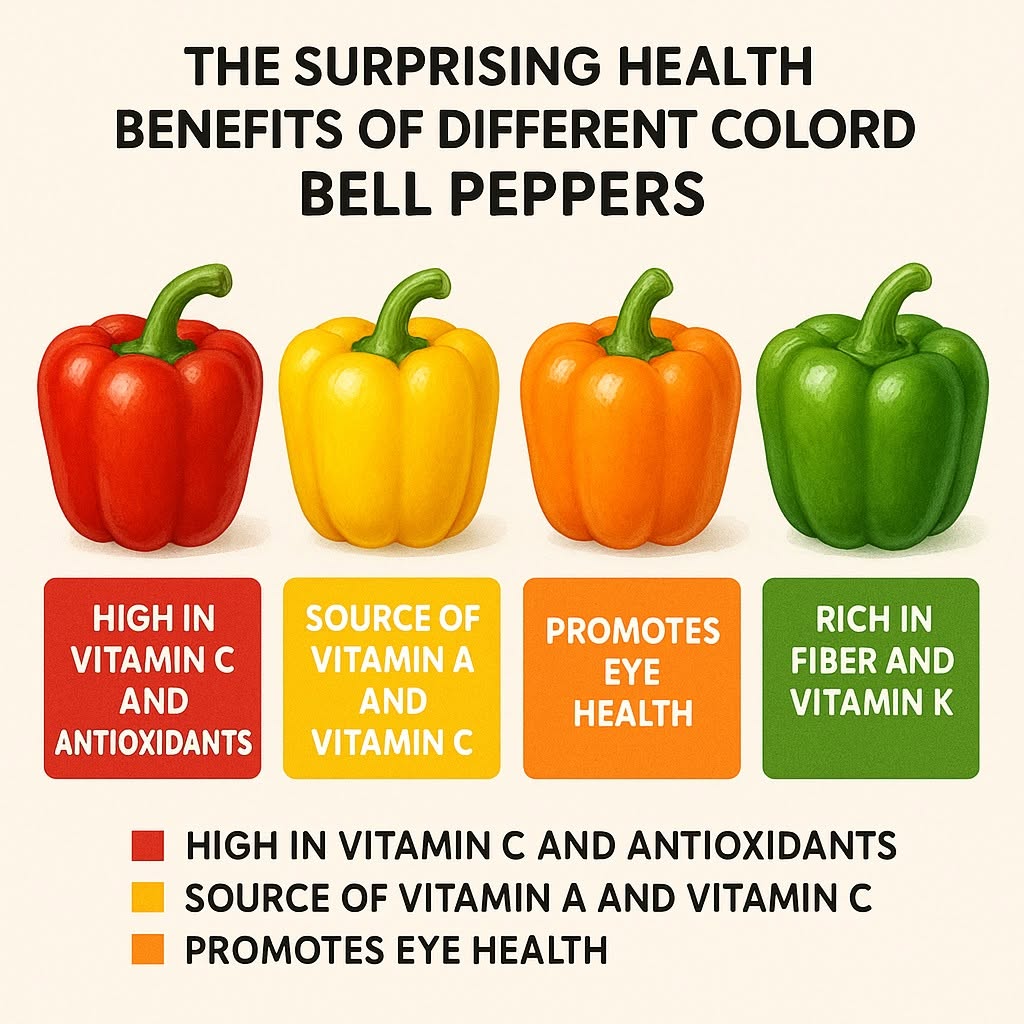
Bell peppers (Capsicum annum L.) provide vitamins A, C, E, and folate. They may have benefits for inflammation control and improved eye health.
1. Support Your Eye Health
Bell peppers are excellent sources of lutein and zeaxanthin. These carotenoids can benefit your eye health.
What the Science Says: Research shows that daily lutein supplements can increase the macular pigment optical density (MPOD) and improve visual function in people with early signs of age-related macular degeneration (ARMD). Low MPOD is a significant risk factor for AMRD.
In general, a diet rich in lutein and zeaxanthin can decrease the risk of ARMD. Bell peppers are exceptionally high in these nutrients.1
2. Help Prevent Anemia
Anemia happens when your blood has fewer red blood cells or less hemoglobin, the protein that helps transport oxygen from your lungs to your body. It’s often caused by iron deficiency.
What Are Common Signs of Anemia?
Anemia can lead to symptoms, such as digestive discomfort, fatigue, lowered immunity, lowered ability to regulate body temperature, and decreased cognitive function.2
One large red pepper contains 0.705 milligrams of iron, approximately 4% of the recommended intake for adult women and 9% for adult men.34 It also contains 210 milligrams of vitamin C—more than double the recommended daily amount.35 Vitamin C improves how the body absorbs plant-based iron.5
Fresh bell peppers can be beneficial for people at risk for anemia, including young children, people who menstruate, and pregnant people.4
3. Contain Antioxidants
Bell peppers are rich in antioxidants such as vitamin A, vitamin C, and beta-carotene. These nutrients protect your body against cell damage and may prevent certain cancers, heart diseases, and brain disorders.6
What the Science Says: All bell peppers can help lower free radicals and oxidative stress. However, yellow peppers seem to have the highest antioxidant activity of all the varieties.
Free radicals are highly unstable, reactive molecules in your body. Your body has antioxidants to help neutralize them.
4. Decrease Inflammation
Bell peppers contain compounds like vitamin C and beta-cryptoxanthin, which may have anti-inflammatory effects. They are also rich in antioxidants like quercetin and luteolin.
What the Science Says: Bell peppers might help decrease inflammation and manage arthritis symptoms. They might decrease inflammation, thereby lowering the severity of symptoms and chronic (long-term) discomfort.
Try to include a variety of anti-inflammatory foods and follow the medical advice of a doctor.
What Nutrients Do Bell Peppers Offer?
Bell peppers are mainly composed of water, but they contain many powerful nutrients that support health.
One large red bell pepper (164 grams) provides:3
- Calories: 43
- Fat: 0.49 grams (g)
- Carbohydrates: 9.9 g
- Fiber: 3.4 g
- Added sugars: 0 g
- Protein: 1.6 g
- Iron: 0.71 milligrams (mg), or 9% of the Daily Value (DV)4
- Vitamin A: 257 micrograms (mcg), or 29% of the DV
- Vitamin C: 210 mg, or 233% of the DV5
- Vitamin E: 2.59 mg, or 17% of the DV10
- Potassium: 346 mg, or 10% of the DV11
- Folate: 75.4 mcg, or 19% of the DV12
Different colors of bell peppers offer slightly different nutrition. For example, red bell pepper has more vitamin A, vitamin C, and folate than green bell pepper. It also has slightly more calories, fat, carbohydrates, fiber, and protein.13
Are There Any Risks of Eating Bell Peppers?
Bell peppers are generally considered safe for the average healthy adult. However, they may trigger side effects in some people.
While extremely rare, some individuals are allergic to bell peppers. Studies have found that people with a pollen allergy may be sensitive to the compounds in bell peppers.
Consuming large amounts of bell pepper may cause gas or bloating due to its high fiber content. Be mindful of your portion sizes, and discuss any potential concerns with a doctor or registered dietitian.
Tips for Adding Bell Peppers to Your Diet
Bell peppers can be enjoyed fresh or included in various recipes. Here are some tips:
- Add to various dishes: Toss bell pepper slices into salads, add to sandwiches, or mix into egg, pasta, or stir-fry dishes.
- Experiment with different colors: Green bell peppers taste more bitter, while yellow, red, orange, and purple peppers taste sweeter.
- Keep them fresh longer: Dry peppers before putting them in the refrigerator. Store them in an open mesh or plastic bag and place them in a low-humidity drawer.
- Soften their crisp texture: Sauté them in a pan with low-sodium seasonings.
- Stuff them: Stuff them with ingredients like rice, sautéed vegetables, and a protein source.
- Try grilling: Brush them with olive oil and place them directly on the rack. Grill them uncovered until the skins are charred and the flesh is tender. Remove them from the heat, wrap them in tin foil, and allow them to sit for approximately 15 minutes. You can remove the skin before eating.
- Try roasting: Cut them in half and roast them at 425 degrees Fahrenheit (218 degrees Celsius) until the skins are charred and wrinkled. Remove the skin before eating.